- Uncategorized
How US SMEs Are Connecting With Remote and Virtual Staff: Insights From the SME Expo in Atlanta, Georgia
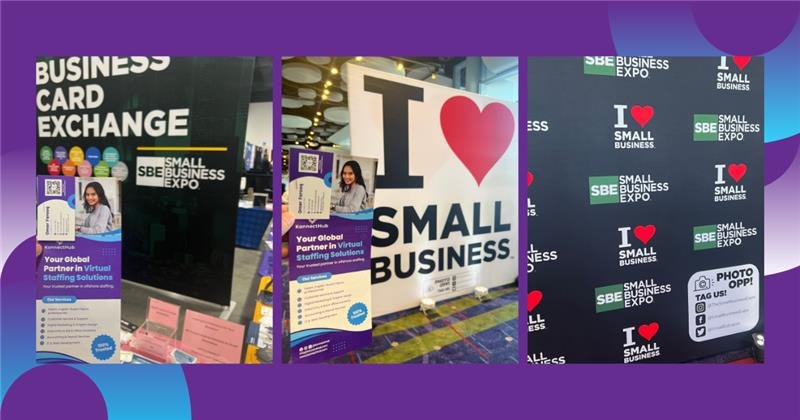
Small and medium-sized enterprises (SMEs) in the United States are rapidly changing how they hire, operate, and scale. One of the strongest themes discussed at the SME Expo in Atlanta, Georgia was how US SMEs are increasingly connecting with remote staff and virtual staff to overcome talent shortages, control costs, and stay competitive in a global market.
Rather than relying solely on traditional local hiring, SMEs are adopting remote-first strategies that allow them to access skilled professionals worldwide while maintaining operational efficiency.
The Growing Role of Remote and Virtual Staff in US SMEs
Across multiple sessions and conversations at the SME Expo, business owners consistently shared the same reality: finding qualified local talent has become more expensive, slower, and harder to sustain.
As a result, many US SMEs are now:
- Expanding teams with remote staff to support daily operations
- Hiring virtual staff for customer service, administration, marketing, and sales
- Building distributed teams that can operate across time zones
This shift allows SMEs to stay agile while focusing internal resources on revenue and growth.
Key Learnings From the SME Expo in Atlanta
Talent Access Is Driving Global Hiring Decisions
One of the most common challenges raised by SME owners was access to reliable talent. Many businesses explained that remote hiring allows them to tap into global professionals without compromising quality or productivity.
By working with remote staff, SMEs can:
- Fill roles faster
- Reduce recruitment overhead
- Access specialized skills that may not be available locally
This approach is no longer seen as experimental—it is now a core business strategy.
Virtual Staff Are Embedded Into Core Business Functions
Another major takeaway from the Atlanta SME Expo was that virtual staff are no longer limited to basic or temporary tasks. SMEs are integrating remote professionals directly into their core workflows.
Common use cases include:
- Virtual customer support teams handling US-based clients
- Remote administrative staff managing scheduling, invoicing, and operations
- Remote sales and lead generation teams working US business hours
This level of integration ensures consistency, accountability, and long-term value.
Why Cost Efficiency Alone Is No Longer the Only Driver
While cost savings remain important, US SMEs emphasized that performance and reliability matter just as much. Businesses want remote teams that deliver results—not just lower expenses.
By adopting remote staffing solutions for US SMEs, companies are able to:
- Reduce overhead without lowering service quality
- Scale teams based on demand
- Maintain predictable staffing costs
This balance between efficiency and performance is what makes remote staffing sustainable.
How US SMEs Successfully Manage Remote Workers
Clear Systems, Communication, and Accountability
SMEs that succeed with remote teams shared that structure is key. Instead of micromanagement, they focus on:
- Clear role definitions
- Measurable KPIs
- Regular check-ins and reporting
With the right systems in place, remote staff perform at the same—or higher—level as in-house teams.
Partnering With Trusted Remote Staffing Platforms
Another strong insight from the SME Expo was the importance of working with experienced remote staffing partners. SMEs prefer platforms that handle sourcing, vetting, and onboarding—allowing them to focus on growth.
By choosing the right partner, businesses can confidently hire virtual staff for small business growth without the complexity of managing international recruitment alone.
The Future of US SMEs Is Remote-First
The discussions at the SME Expo in Atlanta made one thing clear: remote and virtual staffing is no longer optional for US SMEs that want to remain competitive.
By embracing remote staff and virtual staff, SMEs can:
- Compete with larger enterprises
- Adapt faster to market changes
- Build scalable, future-ready teams
How KonnectHub Supports US SMEs
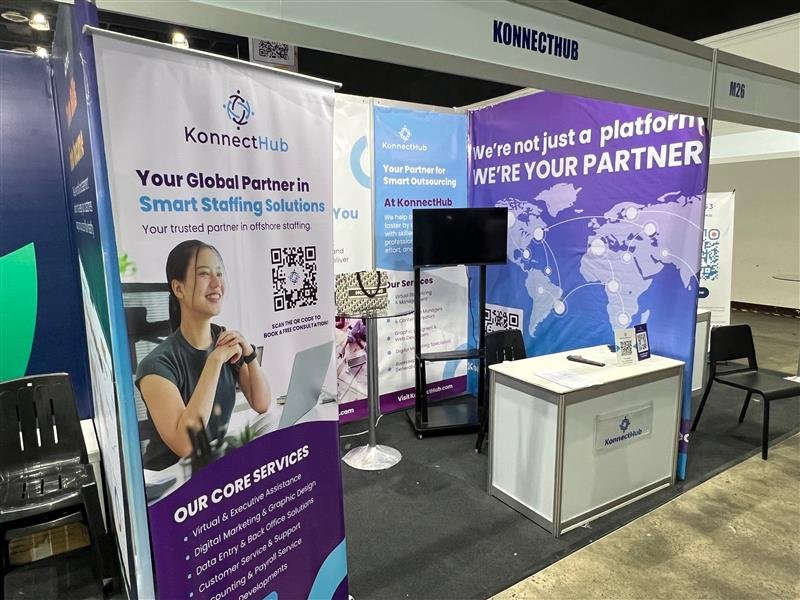
KonnectHub helps US SMEs connect with skilled remote staff and virtual staff across customer support, administration, marketing, sales, and operations. With a structured hiring process and ongoing support, KonnectHub enables businesses to scale confidently using global talent.
Final Thoughts
The insights gathered from the SME Expo in Atlanta, Georgia confirm a clear trend: US SMEs that invest in remote and virtual staffing are better positioned for long-term success.
Remote work is no longer just a solution—it is a strategic advantage.
Share the Post: